Homeland’s proud tradition of exceptional care began shortly after the Civil War. In 1867, 18 women from nine Harrisburg churches formed the “Society for the Home for the Friendless” to help widows and children in need. They began in a rented house at Third and Mulberry streets before building a permanent home at Fifth and Muench in 1870—a structure that still stands today. Over the decades, Homeland grew and evolved, expanding and modernizing to meet the changing needs of the community. In the 1950s, the “Home for the Friendless” became Homeland Center, adding new wings, transforming the infirmary into a skilled nursing unit, and cementing its reputation for quality care.
Today, Homeland Center occupies a full block in uptown Harrisburg and is a licensed, not-for-profit Continuing Care Retirement Community offering personal care, skilled nursing care, memory care, and short-term rehabilitation. Homeland consistently earns Medicare’s highest recognition for quality, staffing, and safety—ranking it among the best in the nation. We are large enough to offer the highest level of care, yet small enough to feel like family. Our sense of community runs deep, and we believe the little things are everything when it comes to making Homeland truly feel like home.
Homeland Center
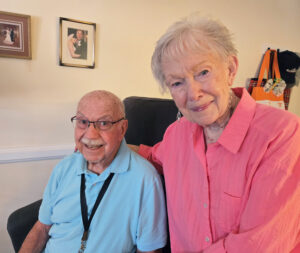
Homeland is what its founders intended it to be: a home.
We are a community within the Harrisburg community, sizable enough to provide the highest level of care and small enough to feel like family. Our sense of community and our tradition of caring runs deep. We believe the little things are everything. And we strive, every day, to make Homeland feel like home in every way we can.
At Homeland Center, residents have access to four types of care to meet their individual needs:
- Personal Care supports independence while assisting with daily tasks.
- Skilled Nursing Care provides 24-hour physician-directed services for short- or long-term needs.
- Memory Care in our Ellenberger unit offers a safe, compassionate setting for those with advancing memory loss.
- Rehabilitation services help residents recover from illness, injury, or surgery under physician direction.
Homeland at Home
Homeland Center is part of Homeland’s broader continuum of care, known as Homeland at Home, which brings exceptional services directly to patients wherever they live:
- Homeland HomeHealth provides physician-ordered medical treatment in the comfort of a patient’s own home after illness or injury. Home medical care is more convenient, and can be just as effective as care received in a hospital or skilled nursing facility. Our HomeHealth team includes nurses; physical, occupational and speech therapists; a nutritional counselor; social workers; and Certified Nursing Assistants (CNAs).
- Homeland HomeCare provides a range of non-medical daily living assistance customized to client needs. Our home care services emphasize companionship, comfort and independence. Services may include light housekeeping, errands such as grocery shopping, transportation to medical appointments, medication reminders and administration, bathing and dressing, monitoring diet, and help with meal preparation and eating.
- Homeland Hospice helps patients live as fully and comfortably as possible by providing symptom and pain relief; care services and therapies; spiritual support; and on-call support. Homeland Hospice is the only hospice agency in South Central Pennsylvania to offer an in-home relief program to all patient families. In-home relief provides family members and/or caregivers with time to attend to their own needs – because caregivers need care, too.
- Home Palliative Care helps patients and their families have a better quality of life by providing comfort and relief from the symptoms and stress of serious illness. Palliative care also assists families with advanced care planning. Homeland provides palliative care anywhere you call home. It is appropriate at any stage for a serious illness and can be provided along with curative treatment.
From our beginning in 1867 to the comprehensive services we provide today, Homeland remains exactly what its founders intended it to be: a home—rooted in community, grounded in compassion, and committed to exceptional care.
Contact us to discuss the right Homeland service for your specific needs.